Control a Ragdoll Together Whose Fault Blame System Guide
Turn the comedy overlay into coaching data—without starting a courtroom.
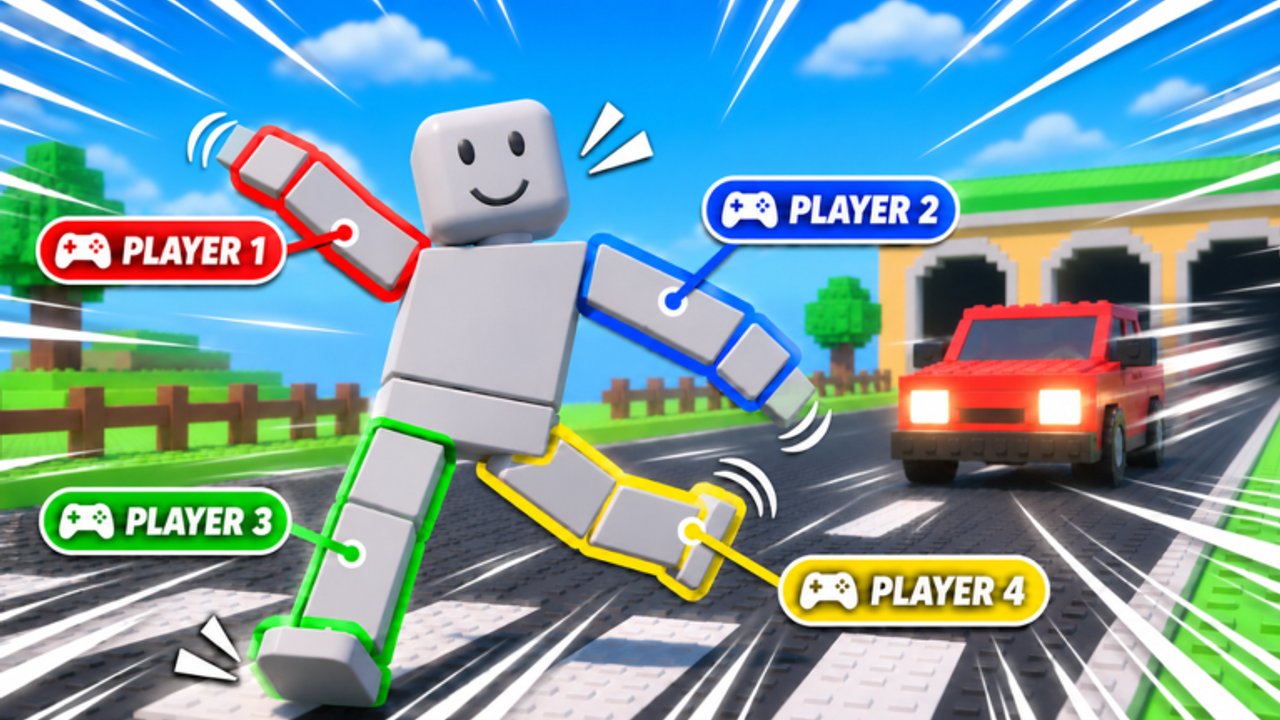
Control a Ragdoll Together! sells physical comedy, and the whose fault blame system is the punchline that doubles as a coach. After a wipe, the experience highlights which limb input caused the fail so your stack stops guessing. Used well, the overlay shortens arguments and speeds learning. Used poorly, it becomes a highlight reel for flaming friends. This deep dive explains how to read the UI, how to talk about it, common limb fail patterns by hazard, and how to keep morale intact from the Plains to the Ember Core.
Pair this page with co-op tips for callout language and the players hub for party-size psychology. Solo players still see blame data—see solo mode for how to treat yourself as both athlete and coach.
What the blame overlay actually does
When the shared ragdoll fails a jump, grab, or dodge, the game surfaces which limb ownership drove the fatal input. That is not a moral judgment; it is a physics breadcrumb. Typical reads:
- Arm flagged on monkey bars → early release, late latch, or a sideways yank that peeled the body off the rung.
- Leg flagged on spikes → over-hop, panic mash, or stepping when the plan was “hold.”
- Any limb flagged on hammers → leaving the safe window early, or freestyling while the caller still counted.
- Mixed signals after meteors → one player strafed opposite the called direction, or jumped into a shadow instead of waiting.
The overlay exists so you spend less time debating “who messed up” and more time naming the mis-input. That distinction matters: “right arm early release” is coachable; “you always ruin runs” is not.
How to read it in under five seconds
Train a ritual at every checkpoint after a fail:
- Silence for one beat so everyone sees the highlight.
- Name the limb and the action in one short phrase.
- State one fix (“release on go, not on wind-up”).
- Ready check, then retry from the last safe flag.
Do not stack jokes for the first ten seconds if anyone is tilted. Comedy lands better after the fix is spoken. If Voice Chat is unavailable—as the Roblox listing notes—type the four-beat script in chat or use Discord with the same brevity. Longer essays mid-obby cause the next wipe.
Coaching scripts that keep friendships
Healthy lines:
- “Blame OK—my left leg hopped early. Slow cadence next.”
- “Arms released before the count. Hold until go.”
- “We both strafed different ways. Default left unless spotter overrides.”
Unhealthy lines:
- Instant nicknames based on the overlay.
- Digging up three older fails while the puppet is still respawning.
- Threatening seat swaps mid-hazard instead of at a checkpoint.
If you are the flagged player, own it fast. Fast ownership kills the emotional half-life of the wipe. If you are not flagged, offer one concrete tip, then shut up. Multiple coaches talking over each other recreate the same desync that caused the fail. More seating and role advice lives on the players hub.
Common limb fail patterns by hazard
Monkey bars — early arm release
Arms lead latch and release. The classic comedy fail is releasing on the wind-up of the count instead of the go. Opposite-arm yank also peels the body sideways. Fix: rehearse “tap—hold—release on go” from a short bar segment five times without advancing. Details in the obstacle guide.
Rock walls — floating feet or double-pull
Both arms yank while legs float, or legs step before a foothold exists. Blame often tags the limb that broke the alternating “reach / step” metronome. Fix: one limb family per beat; freeze on a stable hold rather than panic-climbing.
Spikes — leg over-hop
Nervous jump spam is the spikes specialty. Arms that flail for “balance” tip the center of mass and can steal the blame highlight even when feet looked guilty. Fix: assign silence to unused arms on purpose; legs own slow cadence only.
Hammers — ego dash
Leaving on the downswing, or two callers overlapping counts, paints a limb red every time. Fix: watch two full swings, one caller, lead limb only. After two fails, swap who calls before you swap who dashes.
Falling meteors — split strafes
When four brains pick four directions, someone gets highlighted. Agree a default (“first strafe left unless spotter overrides”) before the shadow falls. Late-world stacking near Ember Core makes this expensive—see checkpoints and Ember Core.
Blame without tilt: hard team rules
- Two wipes in a row → mandatory twenty-second hold at the checkpoint.
- Personal insults → pause the run; the puppet is not worth a friend loss.
- Lagging player → reseat them to a less timing-critical limb at the next flag, do not mock them.
- Public stranger stacks → expect less coaching bandwidth; keep scripts even shorter.
Tilt turns the comedy system into a courtroom. Checkpoint discipline from the worlds walkthrough is your circuit breaker.
Solo reading of the overlay
Solo mode still flags limbs—you just wear every hat. Treat the highlight as a practice cue: drill only the flagged limb family for five minutes on a Plains loop before returning to harder rooms. Do not rewrite your entire mental choreography after one popup. Solo mode covers attention load in depth.
Linking blame data to seating and tiers
If the same limb role fails three times in a row across different players, the role may be mismatched to the room, not the person. Consult the tier list for arm-heavy versus leg-heavy rooms, then reseat at a checkpoint. Never reseat mid-bar.
What the blame system is not
It is not proof someone is a bad friend. It is not a reason to hunt scripts (scripts hub stays safety-first). It is not an excuse to ignore updates if a patch retuned a hazard window. And it is not a substitute for learning controls—skim controls if your “fixes” keep repeating.
Session habit worth stealing
End every night by naming the one fail pattern that appeared most. Put it in Discord for next time: “Tonight’s ghost was early arm release on bars.” That single sentence beats a thirty-minute argument archive. When codes FOMO hits, remember the codes hub still tracks honest promo status—practice beats fake redeem lists.
The whose-fault overlay is the game’s way of saying the puppet has receipts. Laugh, label the mis-input, fix one variable, and ready up. Stacks that treat blame as coaching clear more of the eight-world climb than stacks that treat it as a trial.
Frequently Asked Questions
Quick answers to the most common questions.
What does the whose-fault system show?
After a fail it highlights which limb input caused the wipe so the team can correct that specific mis-time instead of guessing.
How should we talk about blame without arguing?
Silence one beat, name the limb and action, state one fix, then ready up. Save longer jokes for after the checkpoint hold.
What is the most common monkey-bar blame?
Early arm release—letting go on the wind-up instead of on the caller’s go—or a sideways yank from one arm.
Do solo players see the blame overlay?
Yes. Use it as a drill cue for the flagged limb family, especially on Plains practice loops before harder worlds.
Should we swap seats every time someone is blamed?
No. Reseat only at checkpoints, and only after a pattern repeats or a room clearly favors different limbs.
Where else should we read after this guide?
Co-op Tips for callouts, Players for party size, Obstacle Guide for hazard inputs, and Checkpoints & Ember Core for late-game discipline.